Pembroke Castle's Timeline
1093
Norman Castle
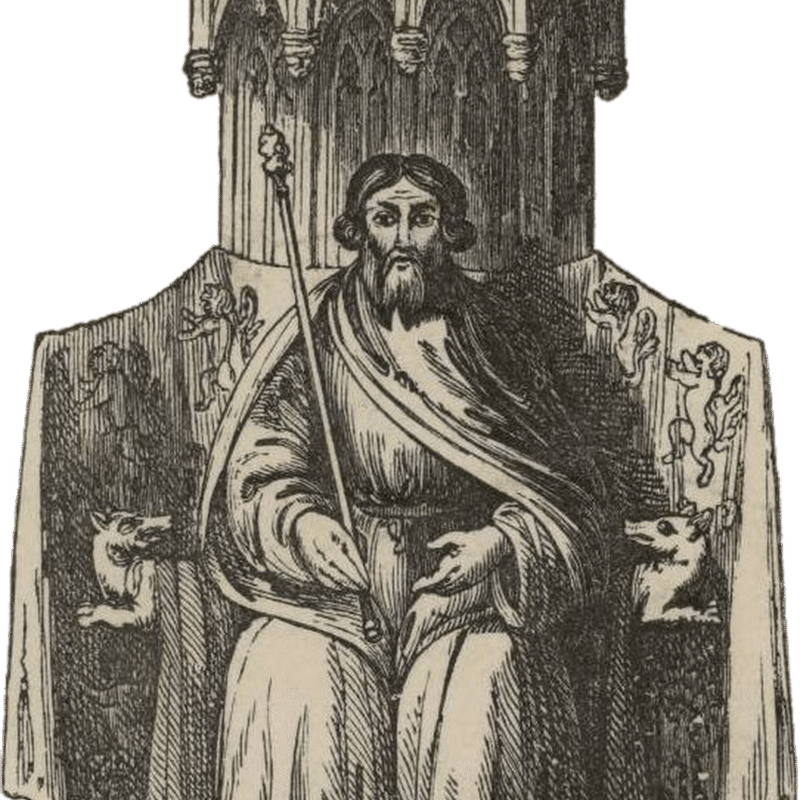
Soon after the Battle of Hastings in 1066 the victorious Norman invaders looked to Wales, but it was not until 1093, when Rhys ap Tewdwr, the last Prince of South-West Wales, was killed outside Brecon in a border skirmish, that the Earl of Shrewsbury, Roger de Montgomery, swept into Pembroke at the head of his invading force. He established his base here and built an earth and timber castle on the site of the present Inner Ward. Although it was a fairly basic structure of timber palisades, the castle stood firm against Welsh counter attacks.
1148
Strongbow
Richard de Clare - ‘Strongbow’ - became Earl of Pembroke, where he transformed the original wooden Norman Hall into a two-storey stone building. He is best remembered for his involvement in the Anglo-Norman invasion of Ireland from Pembroke.
1201
Timber Castle to Stone Fortress
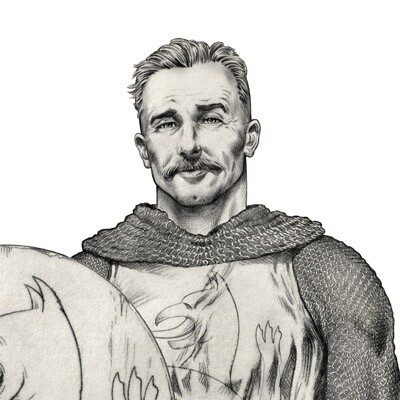
In 1189 William Marshal, the “Greatest Knight who ever lived”, married Strongbow’s daughter, Isabel de Clare, and the Castle ultimately passed into his hands. Over the next 30 years the new Earl of Pembroke transformed the earth and timber structure into a powerful stone fortification, beginning with the magnificent Great Keep in 1201.
1247
Invincible Castle
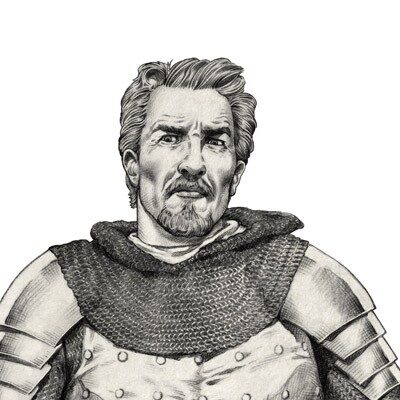
The Castle passed into the hands of William de Valence, a half-brother of Henry III, through his marriage to Joan, granddaughter of William Marshal. The de Valence family held the Castle for over 70 years, strengthening it by building the walls and towers around the Outer Ward and a sumptuous new suite of domestic buildings in the Inner Ward. They also fortified the town, creating a ring of walls with three main gates and a postern.
1400
Welsh Rebellion
In 1400 the great Welsh soldier, patriot and hero, Owain Glyndwr, led yet another rebellion against the hated English settlers. Pembroke escaped a siege because the Constable at the time, Francis а Court, bought off Glyndwr with the Welsh equivalent of danegeld.
1454
The Tudors
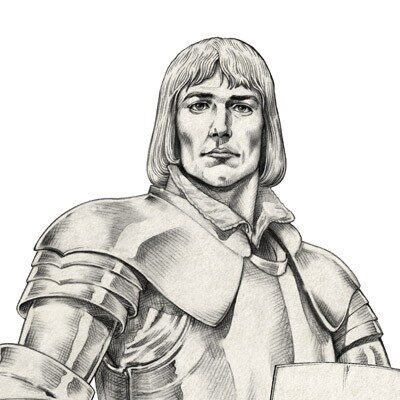
In 1454 Pembroke Castle was presented to Jasper Tudor, half bother to King Henry VI, as part of the recreated Earldom of Pembroke. He oversaw lots of renovation at the castle including a decorative oriel, and it is likely that a detached, private ‘mansion house’ that once stood in the Outer Ward was his. When Jasper’s brother Edmund died in November 1456, Jasper offered protection to Margaret Beaufort, his pregnant widow.
1457
Henry VII
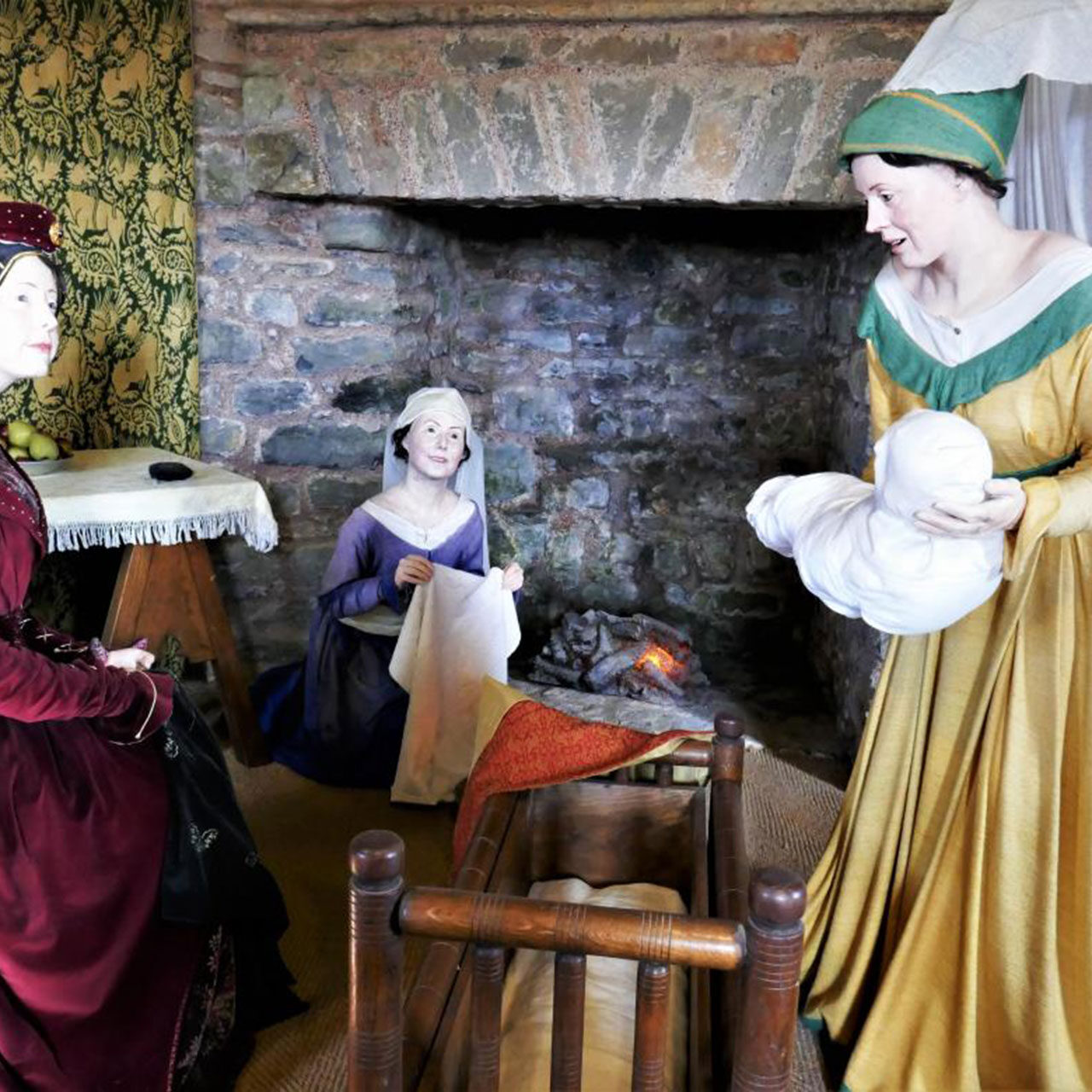
On the 28th January 1457 Margaret Beaufort gave birth to a son, Henry, who 28 years later would go on to defeat Richard III at the Battle of Bosworth Field to become the first Tudor monarch, King Henry VII.
1642
The English Civil War
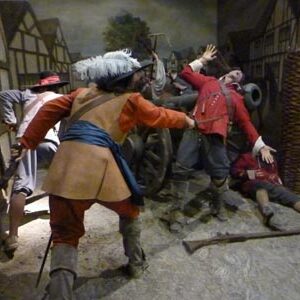
Pembroke Castle became a Parliamentarian stronghold in a fervently pro-Royalist country. When Pembroke’s soldiers failed to be paid their promised wages after a Parliamentary victory, Pembroke turned their back on Parliament and became the springboard for a new rebellion in 1648. Following a two-month siege, lead by Oliver Cromwell, Lieutenant-General of the Parliamentary Army, and during which both the town and Castle suffered enormous damage, Poyer and his other leaders were forced to surrender. Under Cromwell’s orders sections of the town wall were demolished while, at the Castle, charges of gunpowder were placed in each of the towers forming the south front, blowing out their external faces.
1880 and 1928
Restoration
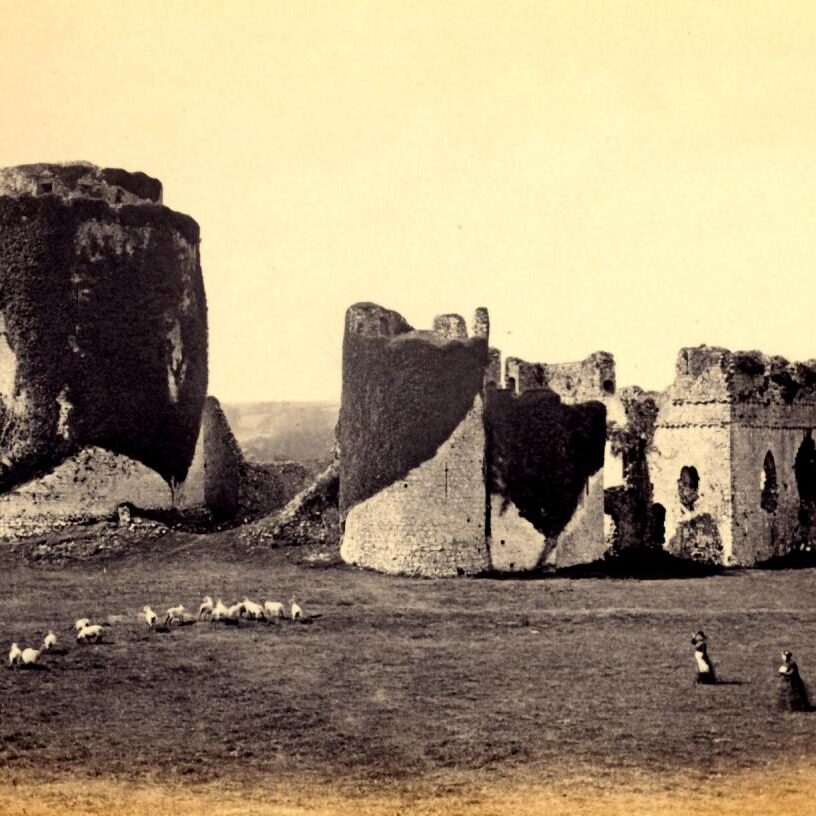
Pembroke Castle remained an ivy-covered ruin, plundered for its stone, until the 1880s, when it was leased by the antiquarian J. R. Cobb, who restored part of the castle. It was in 1928, however, when local landowner Major-General Sir Ivor Philipps, bought the Castle, that it was restored it to its former glory.